“Nature does not hurry, yet everything is accomplished.” – Lao Tzu
As October arrives, we begin to feel the subtle shift in energy. The days grow shorter, schedules become fuller, and before we know it, the holiday season is knocking at our door. While autumn invites beautiful change, it can also bring stress, overwhelm, and the feeling that life is moving faster than we’d like.
At The Yoga Spa, our October theme is Balance Every Season, with a simple reminder: Ground Yourself Before the Holidays Arrive.
Just as trees deepen their roots before winter, we too can create a strong foundation for the months ahead. Through yoga, mindfulness, massage, skincare, sound healing, simple grounding practices, and healthy boundaries, we can remain centered no matter what season of life we find ourselves in.
Finding Balance During Busy Seasons
Modern life often celebrates busyness, but our bodies weren’t designed to live in a constant state of “go.”
Stress activates the sympathetic nervous system, commonly known as the fight-or-flight response. When stress becomes chronic, it can affect sleep, digestion, mood, and overall well-being. Research has shown that yoga and other mind-body practices can significantly reduce perceived stress while improving quality of life.
Balance doesn’t mean having everything perfectly organized. It means learning when to push forward and when to pause.
Signs you may need more balance:
- Feeling exhausted even after sleeping
- Increased irritability or anxiety
- Difficulty focusing
- Tight shoulders, neck, or jaw
- Feeling disconnected from yourself
Small ways to restore balance:
- Take five deep breaths before checking your phone.
- Schedule self-care before your calendar fills up.
- Spend a few minutes outdoors each day.
- Practice gentle movement instead of intense exercise when you're depleted.
- Allow yourself moments of rest without guilt.
“Almost everything will work again if you unplug it for a few minutes, including you.” – Anne Lamott
Yoga for Anxiety: Returning to Calm, One Breath at a Time
Anxiety has become one of the most common wellness challenges of our time. Whether it’s juggling a busy schedule, navigating life transitions, financial concerns, family responsibilities, or simply the constant stream of information coming at us every day, many of us spend more time in “survival mode” than we realize.
Anxiety often shows up as racing thoughts, muscle tension, difficulty sleeping, irritability, digestive upset, or an ongoing feeling that something is wrong, even when everything appears fine on the surface.
The good news? Our bodies are designed with built-in tools to help us regulate stress, and yoga is one of the most effective.
Research has shown that yoga-based interventions can help reduce symptoms of anxiety, perceived stress, and emotional distress while improving overall well-being. Studies suggest that yoga works by combining physical movement, intentional breathing, and mindfulness practices that help calm the nervous system and increase feelings of safety and self-awareness.
Why Yoga Helps Anxiety
When we experience stress, our bodies shift into the sympathetic nervous system, commonly known as “fight, flight, or freeze.” Our heart rate increases, breathing becomes shallow, muscles tense, and the mind becomes hyper-alert.
Yoga encourages activation of the parasympathetic nervous system, often called the “rest and digest” response. This helps slow the heart rate, regulate breathing, reduce muscle tension, and create a sense of calm throughout the body. Researchers have also found that yoga may influence stress-related hormones such as cortisol while supporting mindfulness and self-compassion, both of which are associated with lower stress levels.
Simply put, yoga teaches the body how to move from reacting to responding.
The Magic of the Mind-Body Connection
One of the reasons yoga is so effective for anxiety is that it brings us back into the present moment.
Anxiety lives in the future.
It asks:
- What if I fail?
- What if something goes wrong?
- What if I can’t handle it?
Yoga gently answers:
What is true right now?
As we focus on the breath, feel our feet pressing into the floor, or notice the sensation of a stretch, the mind begins to take a break from endless future-focused thinking.
This doesn’t mean our problems magically disappear. It means we create enough space to experience them with greater clarity and less overwhelm.
Grounding Poses for Anxious Days
The most supportive yoga practice for anxiety is often not the most challenging. In fact, slower and gentler movements can be incredibly powerful.
Try incorporating these poses when you need to feel more grounded:
Child’s Pose (Balasana)
- Helps create a sense of safety and comfort
- Encourages slow, steady breathing
- Relieves tension in the back, shoulders, and neck
Mountain Pose (Tadasana)
- Promotes stability and presence
- Encourages awareness of your connection to the earth
- Builds confidence through strong posture
Legs-Up-the-Wall (Viparita Karani)
- Calms the nervous system
- Relieves physical fatigue
- Supports relaxation before sleep
Cat-Cow Stretch
- Synchronizes breath and movement
- Releases tension in the spine
- Encourages mindful awareness
Supported Forward Fold
- Encourages inward focus
- Helps quiet mental chatter
- Can create a calming effect on the nervous system

Breathwork: Your Built-In Stress Relief Tool
One of the fastest ways to reduce anxious feelings is to bring awareness to your breath.
When we’re anxious, breathing often becomes rapid and shallow. Deep, steady breathing sends a signal to the brain that we are safe.
Try this simple practice:
4-6 Grounding Breath
- Inhale gently through the nose for 4 counts.
- Exhale slowly through the nose for 6 counts.
- Repeat for 2 to 5 minutes.
The longer exhale helps activate the relaxation response and can create a noticeable feeling of calm within minutes.
Another favorite is simply placing one hand on your heart and one hand on your belly while taking slow, intentional breaths.
Sometimes the simplest practices are the most powerful.
Yoga Off the Mat
Yoga for anxiety isn’t just what happens during class.
It can look like:
- Taking three conscious breaths before answering a stressful email
- Stretching for five minutes between meetings
- Choosing a mindful walk instead of scrolling social media
- Pausing to notice the beauty of autumn leaves
- Repeating a calming mantra throughout the day
Every moment of awareness is a yoga practice.
Every mindful breath is a chance to begin again.
A Gentle Reminder
If you’ve been struggling with anxiety lately, know that you’re not alone.
You don’t have to be flexible. You don’t need special clothing. You don’t even need an hour-long practice.
Sometimes healing begins with sitting quietly, taking one deep breath, and allowing yourself to be exactly where you are.
“You can’t always control what goes on outside, but you can always control what goes on inside.” – Wayne Dyer
This October, as schedules become busier and the holidays begin to approach, we invite you to use yoga as an anchor. Let your practice be a place where you can slow down, reconnect, and remember that balance isn’t something you find. It’s something you create, one breath, one movement, and one mindful moment at a time.
What Happens During a Sound Bath?
At The Yoga Spa, we thoughtfully curate special events and experiences designed to help our clients slow down, unwind, and reconnect with themselves. One of our most popular offerings is the sound bath, a deeply relaxing and restorative experience that many guests come back for again and again.
While the term is familiar to us, it’s often one of the first questions we hear from those who are new to the practice:
“What exactly is a sound bath?”
Despite the name, no water is involved!
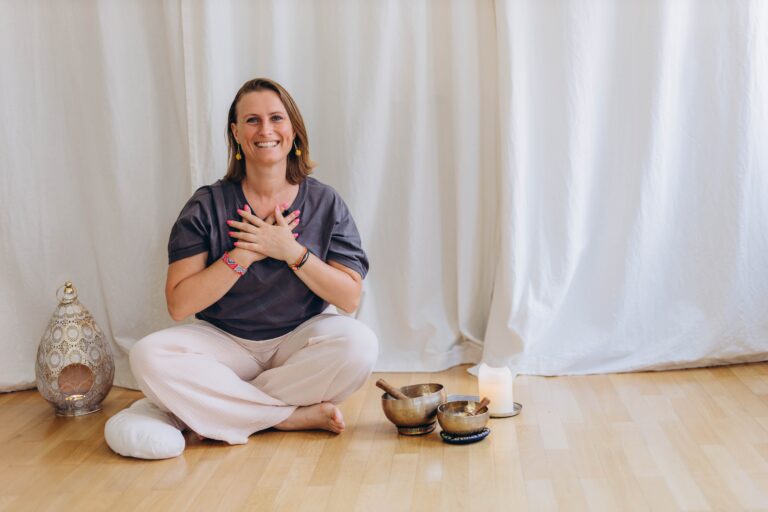
A sound bath is a deeply relaxing meditative experience where participants rest comfortably while being immersed in soothing sounds and vibrations from instruments such as crystal singing bowls, Tibetan bowls, chimes, drums, or gongs.
The experience is often described as a form of effortless meditation.
During a sound bath, you may notice:
- Deep relaxation
- Slower breathing
- Reduced mental chatter
- Increased body awareness
- A feeling of peace and spaciousness
Research on sound-based meditation continues to grow. Studies have found that sound meditation may help reduce tension, anxiety, stress, and negative mood while increasing relaxation and overall well-being. Many participants tell us they leave feeling as though they just woke up from the most restorative nap of their lives.
How Massage Supports Immunity
As cold and flu season approaches, immune health becomes top of mind for many people.
While massage therapy is not a substitute for medical care, research suggests it may provide meaningful support for overall wellness.
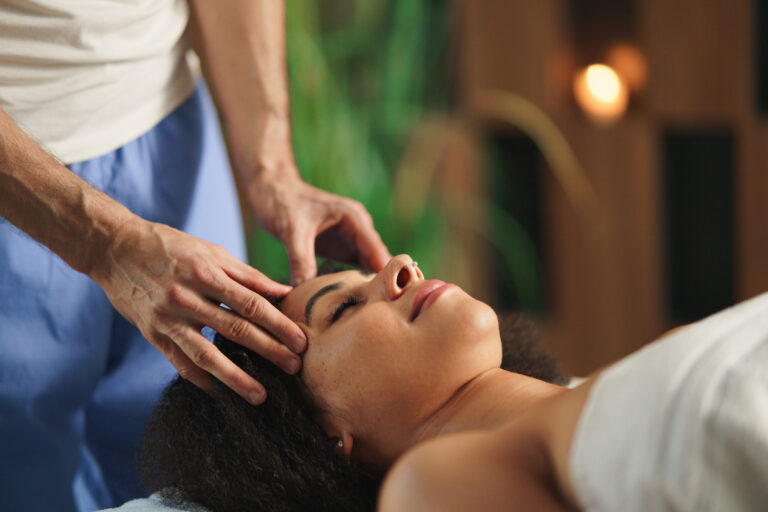
One of the primary ways massage supports immunity is by helping the body manage stress. Chronic stress elevates cortisol levels, which can negatively impact immune function over time. Massage encourages relaxation and activates the parasympathetic nervous system, often called the “rest and digest” state.
Research has also found massage may:
- Improve circulation
- Support lymphatic flow
- Reduce stress hormone levels
- Increase certain immune-related cells, including lymphocytes and natural killer cells in some studies.
Additional wellness benefits of massage:
- Better sleep
- Reduced muscle tension
- Improved recovery from physical activity
- Increased feelings of relaxation and well-being
As the seasons change, massage can be a wonderful part of a holistic self-care routine that helps the body remain resilient.
Healthy Boundaries Are a Form of Self-Care
Many people think boundaries are about keeping others out.
In reality, healthy boundaries help us stay connected to ourselves.
When we constantly say “yes” to everyone else, we can end up saying “no” to our own needs. Research consistently links healthy boundaries with improved emotional regulation, reduced stress, and greater psychological well-being.
Healthy boundaries may sound like:
- “I’m unable to commit to that right now.”
- “I need some time to think about it.”
- “I’m prioritizing rest this weekend.”
- “That doesn’t work for my schedule.”
Boundaries protect:
- Your energy
- Your time
- Your physical health
- Your emotional well-being
- Your relationships
“You teach people how to treat you by what you allow, what you stop, and what you reinforce.” – Tony Gaskins
This holiday season, give yourself permission to set limits without guilt.
Finding Balance in Every Season of Life
The truth is that life comes in seasons.
There are seasons of growth and seasons of rest.
Seasons of certainty and seasons of transition.
Seasons where we feel strong and seasons where we feel challenged.
The goal isn’t to achieve perfect balance every day. True balance comes from learning to adapt, respond, and reconnect with ourselves when life becomes unsteady.
Autumn teaches us that letting go is a natural part of growth. The trees release what they no longer need, trusting that new life will emerge when the time is right.
Perhaps there is something you can release this season:
- An unrealistic expectation
- A packed schedule
- A habit that no longer serves you
- The pressure to do it all perfectly
As we prepare for the holiday months ahead, may we remember to slow down, breathe deeply, and return to what truly matters.
“The ability to be in the present moment is a major component of mental wellness.” – Abraham Maslow
At The Yoga Spa, we invite you to join us this October as we explore practices that help us remain grounded, balanced, and connected through every season of life.
Because when we take time to root ourselves, we give ourselves the opportunity to rise.
Balance Every Season. Ground yourself before the holidays arrive.